Employee Benefits Plans
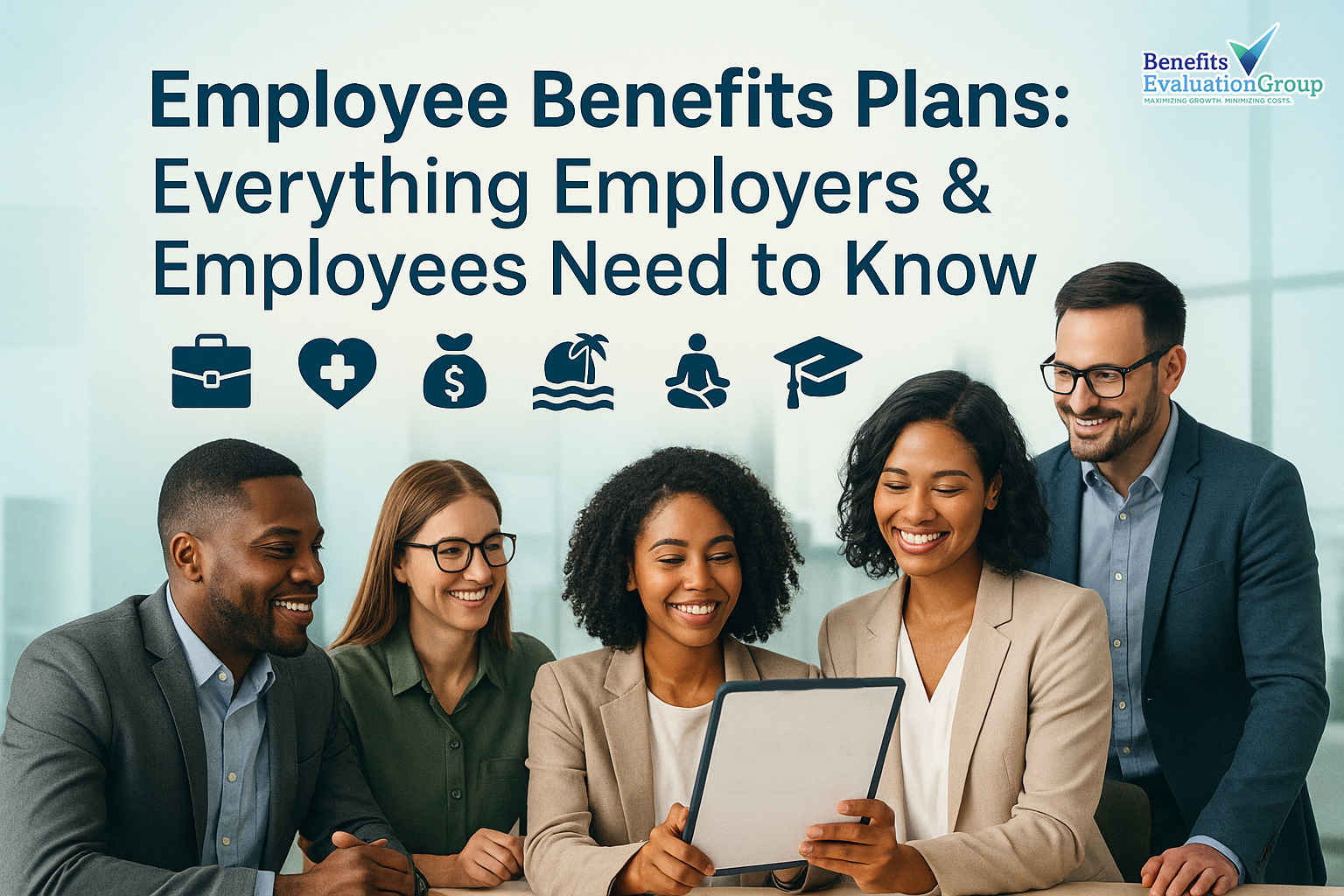
When it comes to attracting top talent and keeping employees happy, nothing speaks louder than a solid benefits plan. You could have the best company culture, a flashy brand, and even competitive pay, but if your benefits don’t support your employees’ personal and professional needs, you’re likely to lose the best people to the competition. In this comprehensive guide, we’re diving deep into everything you need to know about employee benefits plans — what they are, why they matter, and how you can build a benefits package that truly works.
What Are Employee Benefits Plans?
Employee benefits plans are essentially the non-wage compensations that employers offer in addition to regular salaries. These can range from health insurance and retirement savings to perks like free gym memberships and flexible work schedules. They’re more than just a nice-to-have—they’re often a deciding factor for job seekers evaluating a company offer. A solid benefits plan shows employees that the company genuinely values their well-being, both in and out of the workplace.
But the scope of benefits is vast. It includes not only health and wellness perks but also financial support, work-life balance initiatives, career development opportunities, and legal compliance benefits. These packages are tailored to fit the unique needs of each workforce, and smart companies know that one-size-fits-all just doesn’t cut it anymore.
Why They Matter for Employers and Employees
From an employee’s perspective, benefits are all about security, support, and work-life harmony. Imagine working for a company that gives you health coverage, time off to recharge, and even helps pay off your student loans. That’s not just helpful—it’s empowering.
For employers, offering strong benefits isn’t just altruism—it’s strategy. Great benefits help companies:
-
Attract high-caliber talent
-
Boost retention and reduce turnover
-
Increase productivity and morale
-
Stay compliant with labor laws
-
Build a strong employer brand
And in today’s ultra-competitive job market, the cost of not offering great benefits? Astronomical. High turnover, low engagement, and poor reviews on employer platforms like Glassdoor can seriously damage a company’s growth trajectory.
The Core Categories of Employee Benefits
Mandatory Benefits
These are benefits that employers are legally obligated to provide, often determined by federal or state law. They usually include:
-
Social Security and Medicare contributions
-
Unemployment insurance
-
Workers’ compensation
-
Family and Medical Leave (FMLA)
-
COBRA (temporary continuation of health coverage)
Mandatory doesn’t mean unimportant—these are foundational. They provide a safety net and ensure basic protections for workers.
Voluntary Benefits
Voluntary benefits are the cherry on top. Employers offer these by choice, often sharing costs with employees:
-
Health, dental, and vision insurance
-
Life insurance
-
Disability insurance
-
Retirement savings plans
-
Paid time off (PTO)
These benefits often tip the scale when employees choose between job offers.
Fringe Benefits
These are extra perks designed to make life a little easier (and sometimes a lot more fun):
-
Company cars
-
Wellness stipends
-
Childcare assistance
-
Gym memberships
-
Free meals or snacks
While fringe benefits may not be essential, they can dramatically impact morale and employee satisfaction.
Health Insurance Benefits
Group Health Insurance
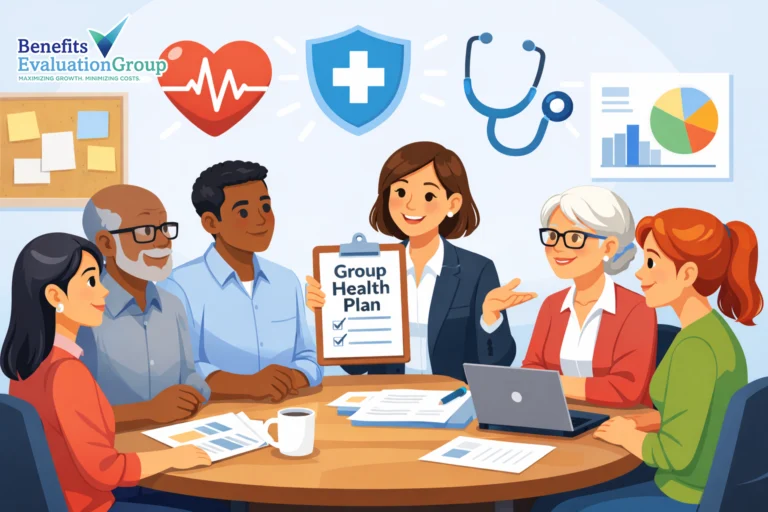
This is often the crown jewel of any benefits package. Group health insurance is typically more affordable than individual plans and can cover a wide range of medical services. Most employers cover a significant portion of the premium, making it a highly attractive benefit.
Dental and Vision Coverage
While not always included in base medical insurance, dental and vision coverage are increasingly seen as standard. They can help employees stay on top of preventative care, reducing long-term health risks and costs.
Mental Health Support
The conversation around mental health in the workplace has grown louder in recent years—and rightfully so. More employers are now including access to counseling, therapy apps, and mental wellness programs in their benefits package. A company that prioritizes mental health is one that sees the full human behind the employee badge.
Retirement Benefits
401(k) Plans and Matching Contributions
One of the most popular retirement savings tools in the U.S., the 401(k) allows employees to contribute pre-tax income toward retirement. Many companies sweeten the deal by matching contributions up to a certain percentage—essentially free money toward your future.
Pension Plans
While not as common in the private sector these days, pension plans still exist and offer guaranteed retirement income based on years of service and salary history. They’re more prevalent in government or union jobs but still an incredible asset when available.
IRAs and Roth IRAs
Some employers offer access to Individual Retirement Accounts (IRAs), giving employees another tax-advantaged way to save. Roth IRAs are especially popular among younger employees, offering tax-free growth and withdrawals.
Paid Time Off (PTO)
Vacation Days
Rest is essential for long-term productivity. Most companies provide 10-20 days of paid vacation annually, with the option to roll over unused days. Some forward-thinking companies even offer unlimited PTO—as long as the work gets done.
Sick Leave
Sick leave is a basic human need, and many states now mandate it. Whether it’s a cold, the flu, or just a mental health day, employees should feel safe taking time off when they’re not at their best.
Paid Holidays
Most organizations observe a set number of paid public holidays—think New Year’s Day, Independence Day, Thanksgiving, and so on. Offering floating holidays for cultural or religious observances is a great way to promote inclusivity.
Work-Life Balance Programs
Flexible Work Schedules
9-to-5 is no longer the gold standard. Flexible hours help employees manage family responsibilities, avoid burnout, and work during their most productive times. It’s a win-win.
Remote Work and Telecommuting
The pandemic accelerated this trend, and it’s here to stay. Companies offering remote or hybrid models are seeing happier teams and access to broader talent pools. It’s not just a perk—it’s a necessity for many workers today.
Parental Leave
Whether it’s maternity, paternity, or adoption leave, giving parents time to bond with their children is crucial. Many companies go beyond the legal minimum to offer paid leave and even transition programs for returning parents.
Employee Assistance Programs (EAPs)
What EAPs Cover
Employee Assistance Programs (EAPs) are often one of the most underrated yet powerful benefits a company can offer. These programs provide confidential support for employees dealing with personal or work-related issues. This includes services like counseling, substance abuse help, legal aid, family care solutions, and more. Think of an EAP as a lifeline—available 24/7, offering help in life’s toughest moments, whether someone is battling stress, facing financial hardship, or navigating relationship troubles.
EAPs can also include access to hotlines, in-person therapy referrals, and even online mental health tools. A strong EAP program shows your team that you’re not just interested in their productivity—you’re invested in their well-being. When employees feel supported emotionally and mentally, they’re far more likely to stay engaged and perform at a higher level.
Confidentiality and Accessibility
One of the biggest concerns employees have about using EAPs is privacy. But here’s the good news: EAPs are designed to be completely confidential. Employers can’t access individual usage information, ensuring employees feel safe seeking help.
Additionally, modern EAPs are super accessible. Employees can access resources online, through mobile apps, or via dedicated phone lines. Offering an easy-to-navigate, user-friendly experience is key to getting employees to actually use these benefits.
Professional Development Benefits
Tuition Reimbursement
Investing in employee growth is a surefire way to retain your top performers. Tuition reimbursement programs allow employees to further their education—whether it’s a degree, certification, or specialized training—while getting some or all of their costs covered by the employer.
And guess what? It’s not just good for the employee. Companies benefit too. You’re fostering a more skilled and knowledgeable workforce, ready to take on greater responsibilities. Plus, employees who grow with a company are more likely to stay for the long haul.
Training and Certification Programs
Beyond formal education, many companies now offer in-house or third-party training programs. This includes industry certifications, software mastery courses, and leadership development sessions. These perks are especially attractive to younger employees who value continuous learning.
Pro tip: Highlighting these opportunities during the hiring process can give your company a competitive edge when recruiting ambitious, career-driven candidates.
Financial Wellness and Support
Student Loan Repayment
Student debt is a massive burden for millions of workers. That’s why student loan repayment benefits are quickly becoming a hot-ticket item in benefits packages. Employers may offer monthly contributions toward employees’ loans, helping reduce principal faster and saving thousands in interest over time.
Not only does this relieve financial stress, but it also positions your company as one that understands and supports real-life employee struggles. Millennials and Gen Z, in particular, value this benefit more than you might think.
Emergency Financial Aid
Sometimes, life hits hard—a medical emergency, sudden car repair, or unexpected family crisis. Companies that provide emergency financial assistance programs or hardship funds can make a big difference. These could be interest-free loans, grants, or advance pay options.
It’s all about showing up for your people when they need it most.
Financial Counseling Services
Budgeting, saving, investing—these are life skills that not everyone has down. Offering access to financial counselors, retirement planning experts, or even digital budgeting tools helps employees take control of their financial futures. And less financial stress = better performance at work.
Perks That Boost Morale
Free Meals and Snacks
There’s something magical about free food in the workplace. Whether it’s fully stocked breakrooms, catered lunches, or Friday donuts, offering food perks can create a positive and communal environment. Plus, it’s a small way to say “we appreciate you.”
Gym Memberships
Physical health is directly tied to mental clarity and productivity. Offering gym memberships—or even in-office fitness classes—helps employees stay healthy, energetic, and motivated. It’s also a great way to reduce long-term healthcare costs for employers.
Onsite Amenities
Some larger companies go all-in with perks like onsite massages, laundry services, car washes, or meditation rooms. These aren’t just fancy luxuries—they make daily life more convenient and less stressful, boosting employee satisfaction and retention.
Customizing Benefits Plans
Understanding Workforce Demographics
Not every benefit appeals to every employee. Younger workers may prioritize student loan help, while older employees might care more about retirement contributions. The key? Know your people. Understand the age, lifestyle, and career stage of your workforce.
By segmenting your benefits strategy to fit different employee personas, you’ll maximize impact and satisfaction.
Employee Surveys and Feedback
One of the easiest (and most overlooked) ways to improve your benefits program is to simply ask your team what they want. Regularly distribute anonymous surveys to gather feedback on current offerings and wish lists. Use this data to fine-tune your benefits in a way that reflects real employee needs.
Transparency is key. Let employees know you’re listening and making changes based on their voices—it builds trust and loyalty.
Legal Considerations in Benefits Planning
Compliance with Federal Laws (ACA, FMLA, ERISA)
Benefits can be a legal minefield if you’re not careful. Employers need to ensure they’re compliant with laws like:
-
ACA (Affordable Care Act) – mandates certain health coverage requirements.
-
FMLA (Family and Medical Leave Act) – requires unpaid leave for eligible workers.
-
ERISA (Employee Retirement Income Security Act) – governs retirement plan standards.
Staying compliant not only protects your business from fines but also reinforces your role as a responsible and ethical employer.
State-Specific Mandates
Each state may have its own rules around paid leave, disability insurance, and more. For instance, states like California and New York have specific requirements that may differ from federal law. It’s vital to consult with HR experts or legal counsel to ensure you’re covered across the board.
Benefits Technology and Management Tools
HR Software and Automation
Managing benefits manually? That’s a productivity killer. Modern HR software helps automate enrollment, compliance tracking, and plan management. Tools like Gusto, BambooHR, and Zenefits make benefits management a breeze.
Automation not only reduces errors but also frees up HR teams to focus on more strategic work.
Employee Self-Service Portals
Employees want autonomy. With self-service platforms, they can review benefit options, enroll or update plans, and access support—without jumping through hoops. These portals also help employees better understand their benefits, leading to increased usage and satisfaction.
The Future of Employee Benefits
Trends Shaping 2025 and Beyond
The landscape of employee benefits is evolving fast. Expect to see:
-
More personalized plans tailored to individual needs
-
Greater focus on mental and financial wellness
-
Expanded remote-work benefits
-
Increased use of AI in benefits management
In short, benefits will become more adaptive, tech-driven, and employee-centric.
Personalized Benefits Packages
The “choose your own adventure” model of benefits is catching on. Employees can select from a variety of benefit options, using a points or credits system. This allows them to build a plan that works for their lifestyle—whether that means extra vacation, pet insurance, or professional development funds.
It’s about giving power to the people—and it works.
Conclusion
Offering competitive and meaningful employee benefits plans isn’t just a nice gesture—it’s a business imperative. In a world where job seekers have more choices than ever, your benefits package can be the deciding factor that sets your company apart. From health and wellness to financial support and professional growth, the best plans touch every part of an employee’s life. And when you design your benefits with intention and heart? You don’t just attract talent—you build loyalty, boost morale, and drive long-term success.
FAQs
1. What are the most common employee benefits?
The most common include health insurance, retirement plans (like 401(k)), paid time off, life and disability insurance, and employee wellness programs.
2. Can small businesses offer competitive benefits?
Absolutely. While budgets may be tighter, small businesses can still offer attractive benefits like flexible schedules, telecommuting, and profit-sharing options.
3. How can employees make the most of their benefits?
By fully understanding what’s available, asking HR questions, using wellness resources, and contributing to retirement plans early.
4. Are employee benefits taxable?
Some benefits are taxable, such as bonuses and certain fringe benefits. Others, like health insurance premiums and retirement contributions, are often tax-advantaged.
5. How are benefits plans evolving with remote work?
Expect more emphasis on virtual wellness, home office stipends, mental health support, and flexible schedules to accommodate remote lifestyles.
Sources:
https://www.shrm.org/resourcesandtools/hr-topics/benefits/pages/default.aspx
https://www.healthcare.gov/small-businesses/provide-shop-coverage/
https://www.kff.org/report-section/ehbs-2023-summary-of-findings/
https://www.dol.gov/general/topic/retirement/typesofplans
https://www.irs.gov/retirement-plans/401k-plans
https://www.dol.gov/general/topic/workhours/vacation_leave
https://www.dol.gov/agencies/ebsa
https://www.dol.gov/agencies/whd/fmla
Explore Group Health Insurance Solutions and Protect Your Team Today! Check out these helpful articles too: