
How to Be Eligible for Group Health Insurance
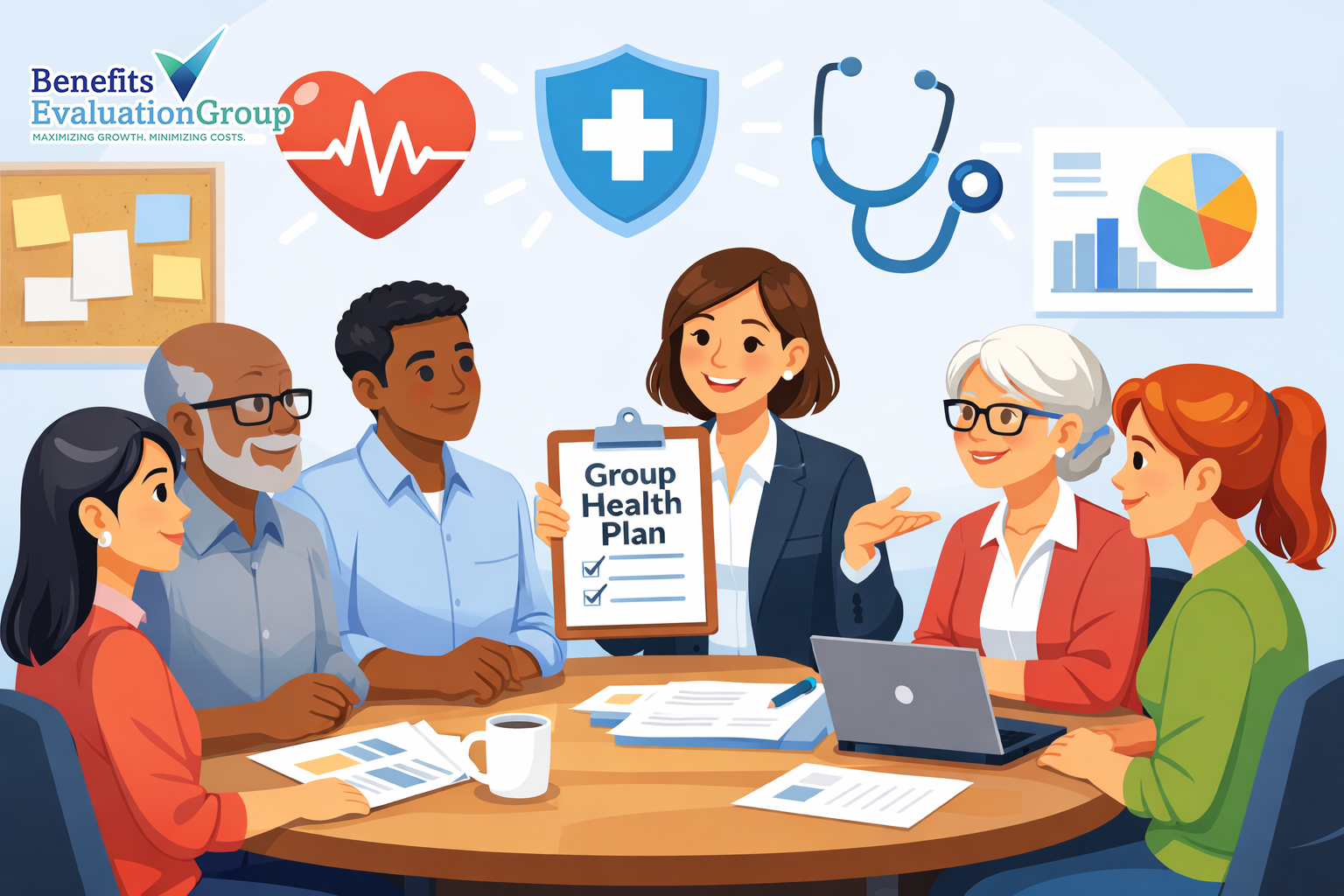
Ever wonder how some people seem to have solid health coverage without paying sky-high premiums? In many cases, it’s thanks to group health insurance—a popular option offered by employers to their teams. But not everyone automatically qualifies. Whether you’re a full-time employee, part-time worker, or small business owner, knowing how to become eligible is crucial if you want to enjoy the perks of shared premiums and comprehensive health benefits.
In this guide, we’re digging deep into everything you need to know to become eligible for group health insurance. We’ll break down the nitty-gritty details—what it is, who can get it, and how to keep it. Let’s make sure you’re not missing out on something that could literally save you thousands on medical bills.
What is Group Health Insurance?
Group health insurance is a type of health coverage offered by employers (or other organizations) to their employees and, often, their employees’ families. It pools all the eligible members together into a single policy, which allows insurers to spread the risk—and reduce the cost. That’s why the premiums in group plans are usually lower compared to what you’d pay on your own.
There are different types of group health plans, from traditional employer-sponsored policies to association health plans and even coverage for unions or trade groups. If you’re researching the types of business health insurance plans available, group coverage is often the most common and cost-effective option for employers. The key thing is the “group” part. You need to be part of a qualified group to get in.
Group plans typically offer:
-
Lower monthly premiums
-
Better coverage options
-
Employer contributions (your boss might pay a chunk of the premium!)
-
Access to broader provider networks
This is why most employees jump at the chance to enroll. But before you do, make sure you’re actually eligible.
Why Group Health Insurance Matters
Think about how expensive healthcare has become. A simple emergency room visit can set you back thousands of dollars. Group health insurance offers a safety net—not just for you, but often for your whole family. Plus, employers often cover at least half of the premium, making it way more affordable.
From an employee’s perspective, here’s what you get:
-
Affordable monthly premiums
-
Protection from unexpected medical costs
-
Access to preventive care and mental health services
For employers, group plans help attract and retain talent. Offering health benefits makes you more competitive and shows you care about your team. It’s a win-win situation.
Group health insurance also promotes better health outcomes. With routine check-ups and preventive care included, people catch issues early—before they become expensive problems. So yeah, it matters—a lot.
Who Can Offer Group Health Insurance?
Not just any group can set up a group health plan. Here’s who qualifies:
-
Employers (from small businesses to large corporations)
-
Nonprofits
-
Religious organizations
-
Unions
-
Trade groups or associations
The key requirement? There must be at least one employee besides the business owner. You can’t just be a solo freelancer and call it a group plan (though we’ll touch on alternatives for freelancers later).
Insurers usually require a minimum participation rate too—often 70%. So if you’re an employer, you’ll need most of your employees to opt-in for the plan to stay valid.
Basic Eligibility Criteria for Group Health Insurance
Alright, here’s where things get real. You can’t just sign up because you like the plan—certain conditions need to be met:
-
Employment status: Most plans require you to be an official employee (not a contractor or freelancer).
-
Working hours: Generally, you need to work at least 30 hours per week.
-
Waiting period: New hires may have to wait 30 to 90 days before they’re eligible.
-
Active work requirement: You need to actively be working, not just on the books.
Some companies offer coverage to part-time workers, but it’s not required by law. So, always check your company’s benefits handbook or talk to HR.
Eligibility for Small Businesses
If you run a small business, here’s the good news: You can still offer group health insurance! Under the Affordable Care Act (ACA), a small business is typically defined as having 1–50 full-time equivalent (FTE) employees.
To qualify:
-
You need at least one employee who’s not an owner or a spouse
-
You must offer the plan to all eligible employees
-
You may be eligible for the Small Business Health Care Tax Credit
There are special small group plans designed specifically for businesses with fewer than 50 employees, and they can be surprisingly affordable—especially if you qualify for those tax breaks.
Eligibility for Large Employers
If your business has 50 or more full-time equivalent employees, congratulations—you’re a “large employer” under the ACA. But with great power comes great responsibility.
Large employers must offer affordable, minimum essential coverage to at least 95% of their full-time staff—or face penalties under the Employer Mandate. This makes eligibility rules even more important:
-
Full-time = 30+ hours per week
-
Must offer to dependents (though not necessarily spouses)
Failing to comply could cost your business thousands per employee per year. So if you’re a big employer, keeping track of eligibility is not optional—it’s the law.
Eligibility for Dependents
Most group health plans allow you to add:
-
Spouses
-
Children (biological, adopted, stepchildren)
-
Domestic partners (varies by plan)
For kids, coverage usually continues until they turn 26—even if they’re not living at home, married, or financially dependent. But once they blow out those 26 candles, they’re off the plan unless they qualify for COBRA or find their own insurance.
Employers may require documents to prove dependency, like:
-
Marriage certificates
-
Birth certificates
-
Domestic partnership affidavits
So don’t be surprised if HR asks for some paperwork before approving your dependents.
Eligibility for Freelancers and Contractors
Here’s the bad news: If you’re a 1099 contractor or a freelancer, you usually can’t join an employer’s group plan because you’re not technically their employee. Group plans are meant for W-2 workers.
But don’t worry—you’ve got options:
-
Professional associations: Some trade organizations offer group-style plans.
-
ACA Marketplace: You might qualify for subsidies depending on your income.
-
Short-term health insurance: A temporary option while you’re between gigs.
You can also form a small business (like an LLC), hire an employee, and qualify for a group plan that way. It’s not for everyone, but for some freelancers, it’s a smart workaround.
Enrollment Periods and Their Importance
Enrollment periods are like windows of opportunity—you miss them, and you could be locked out of health coverage for months. There are two major types of enrollment periods you need to know about: Open Enrollment and Special Enrollment.
Open Enrollment typically happens once a year. This is when you can:
-
Enroll in your employer’s health plan
-
Make changes to existing coverage
-
Add or remove dependents
Miss this window? You’re stuck unless you qualify for a Special Enrollment Period (SEP). These SEPs are triggered by major life events such as:
-
Getting married or divorced
-
Having a baby or adopting a child
-
Losing other health coverage (e.g., spouse loses job)
-
Moving to a new state
Employers will usually notify employees when open enrollment is happening, but it’s your responsibility to act. Mark those dates on your calendar because missing them could mean going months without coverage—or paying out of pocket for private insurance.
Waiting Periods and Probationary Timeframes
Let’s say you just landed a new job. Awesome! But don’t expect immediate access to your company’s group health insurance. Most employers have a waiting period—anywhere from 30 to 90 days—before your benefits kick in.
Why the delay?
-
It helps employers manage costs.
-
It ensures employees stick around before investing in their coverage.
The ACA caps the waiting period at 90 days, so no employer can make you wait longer than that. However, some employers apply orientation periods before that waiting clock even starts—typically a short timeframe (no more than 30 days) to confirm you’re a good fit.
Here’s how it might look:
-
Hire date: January 1
-
Orientation ends: January 15
-
Waiting period begins: January 16
-
Coverage starts: April 15
It’s a little frustrating, especially if you’re in between coverage. But knowing this helps you plan ahead—maybe by extending COBRA from your last job or getting short-term insurance in the meantime.
COBRA and Continued Eligibility After Leaving a Job
What happens when you leave your job? Do you instantly lose your health coverage? Not necessarily—thanks to COBRA (Consolidated Omnibus Budget Reconciliation Act).
COBRA gives you the right to continue your employer-sponsored health coverage for up to 18–36 months, depending on the reason for your departure. Here’s the catch: you pay the full premium, plus up to 2% in administrative fees.
Who’s eligible for COBRA?
-
Employees who voluntarily or involuntarily leave (except for gross misconduct)
-
Spouses and dependents after a divorce or death
-
Children who age out of dependent status
COBRA can be a lifesaver during transitions, but it’s not cheap. You’ll want to weigh your options—Marketplace plans with subsidies might be more affordable.
How to Maintain Your Eligibility
Just because you’re enrolled doesn’t mean you’re locked in forever. To stay eligible:
-
Keep your employment status: Go below 30 hours per week, and you may lose your spot.
-
Keep your premiums current: Miss a payment and coverage could lapse.
-
Update your information: Life changes like marriage, divorce, or a new baby? Report it promptly.
-
Participate in required wellness programs: Some employers tie eligibility or incentives to participation.
HR departments typically conduct annual audits to ensure everyone enrolled is still eligible. If something changes in your status, speak up—don’t risk losing coverage due to paperwork errors.
Common Reasons for Losing Eligibility
It’s easier than you think to lose group health coverage if you’re not careful. Here are the most common causes:
-
Job loss: The most obvious. No job, no benefits.
-
Reduction in hours: Drop below full-time, and you may not meet eligibility requirements.
-
Failure to pay premiums: Even if your employer covers part of the cost, your portion still matters.
-
Divorce or legal separation: Your ex-spouse won’t be eligible anymore.
-
Aging out: Dependents turn 26? They’re on their own.
Sometimes people don’t realize they’ve lost eligibility until a claim is denied. That’s why it’s crucial to stay proactive and informed. Always review your plan’s requirements and check your status regularly.
Steps to Take If You Lose Eligibility
So, you’ve lost your group health insurance. Don’t panic. You have options—if you act fast.
Here’s what you can do:
-
Sign up for COBRA: As mentioned earlier, this lets you keep your group coverage temporarily.
-
Check the ACA Marketplace: Losing job-based coverage qualifies you for a Special Enrollment Period.
-
Apply for Medicaid: Depending on your income and state, you might qualify for free or low-cost insurance.
-
Look into short-term insurance: Not ideal, but it can bridge the gap until you find something better.
-
Join a spouse’s plan: If your partner has insurance through their job, you may be able to jump on board.
The key? Act quickly. Most of these options have a 30 to 60-day window. Miss it, and you may be left uninsured.
How Employers Can Ensure Employee Eligibility
For businesses, managing employee eligibility is both a legal and financial responsibility. Here’s how employers can stay on top of it:
-
Create clear internal policies: Document who is eligible, when, and under what conditions.
-
Use HR software: Automation helps track working hours, benefits elections, and documentation.
-
Conduct annual audits: Review everyone enrolled and verify dependent eligibility.
-
Communicate regularly: Make sure employees understand the rules and deadlines.
Maintaining eligibility isn’t just about avoiding penalties—it’s about building trust. Employees feel more secure when they know their health benefits are being handled properly.
Documentation and Verification Process
Before enrolling in group health insurance, you’ll often need to prove your eligibility. Here’s what that might involve:
-
Proof of employment: A recent pay stub or employment verification letter
-
Dependent verification:
-
Birth certificates (for children)
-
Marriage certificates (for spouses)
-
Affidavit (for domestic partners)
-
-
Legal ID or Social Security numbers: To verify identity and prevent fraud
Employers and insurers may audit this documentation annually or when a major life event is reported. Make sure to submit accurate and timely paperwork—delays could affect your coverage start date.
Conclusion
Group health insurance isn’t just a perk—it’s a vital lifeline that can provide financial security, peace of mind, and access to quality care. But you don’t automatically qualify just because you have a job or belong to a group. You’ve got to meet certain criteria, understand the enrollment windows, and keep your status in good standing.
Whether you’re an employee trying to figure out if you qualify, an employer looking to set up a plan, or someone between jobs trying to find coverage options, understanding how to be eligible for group health insurance is one of the smartest financial moves you can make.
Now that you know the ins and outs, you’re better equipped to get the coverage you deserve—and keep it.
FAQs
1. Can part-time employees get group health insurance?
It depends on the employer. While not required by law, some companies extend benefits to part-time staff. Always check with your HR department.
2. How many hours do I need to work to be eligible for group insurance?
Most plans require you to work at least 30 hours per week to be considered full-time and eligible for coverage.
3. Can I add my parents to my group health plan?
Typically, no. Most group plans only cover spouses, children, and sometimes domestic partners—not parents.
4. Do I lose coverage immediately if I leave my job?
Coverage usually ends on your last day or at the end of the month you leave, depending on the employer’s policy. You may qualify for COBRA afterward.
5. What happens if I forget to enroll during open enrollment?
You’ll likely have to wait until the next open enrollment unless you qualify for a special enrollment period due to a life event like marriage or birth.
SOURCEs
https://www.dol.gov/general/topic/health-plans/cobra
https://www.irs.gov/affordable-care-act/employers/employer-shared-responsibility-provisions
https://www.healthcare.gov/small-businesses/
https://www.healthcare.gov/young-adults/coverage/
https://www.kff.org/health-costs/report/2023-employer-health-benefits-survey/
Explore Small Employer Health Insurance Rules and Protect Your Team Today! Check out these helpful articles too: